Saturday, February 16, 2019

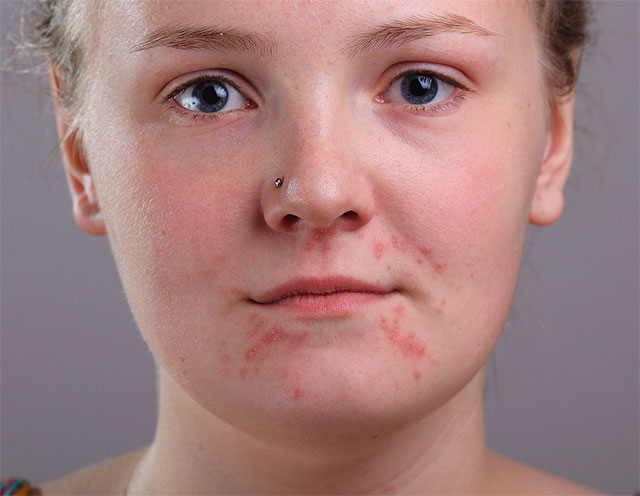
10 Best Natural Skin Whitening Home Remedies 2019 | AsPaRaDiSe

10  Best Natural Skin Whitening Home Remedies 2019 | AsPaRaDiSe


Many people face problems related to skin complexion, while others are continuously wishing for fairer skin. It is almost a fad among people to change their skin tones to lighter shades. Women regularly pay visits to parlours and spas to maintain paler skin tones. Such maintenance however is expensive.

One safe and affordable alternative for skin lightening is depending on home remedies and natural ingredients. Though these remedies only work to a certain extent, when it comes to enhancing your natural skin colour they are a better choice than bleaching. They are also mild on the skin and give you incredible results that you may have been looking for. Before starting a home care regimen, it is important to understand the causes of skin darkening and how to prevent it.

1.       Papaya and oatmeal:


Papaya is the ultimate skin whitening agent. You can eat it regularly for a healthy gut. You can make a mask out of papaya and oatmeal to enrich your skin pores. It gives you a lighter complexion and adds a glow to your skin. It also helps in reducing the nasty under eye circles. Oatmeal acts as a gentle exfoliant and improves skin health. Ripe papaya pulp can be mixed with grated apple, watermelon, pineapple and so on. Papaya and cucumber also help to remove tan. Oatmeal is gentle on your face but efficiently removes dead cells from the top layers of your skin and unclogs the pores. This is one of the ways in which it prevents the formation of acne.

2.       Aloe Vera Gel:


Aloe vera can help reduce hyperpigmentation. Regular application of aloe vera can make the skin tone even by reducing the appearance of dark patches. It can also accelerate the process of healing by helping rebuild damaged tissues. To obtain the gel, cut off a leaf and remove its outer layers. Now, squeeze out the thick, jelly-like substance, and apply it on the dark areas of your face. Keep it for about 15 to 20 minutes, and then rinse it off with water.

3.       Lemon juice:


Lemon juice is a boon that just keeps giving - aside from having amazing effects on your digestion, energy and teeth, lemon juice has also been used for many years for skin whitening. It contains properties that mildly bleach your skin and exfoliate its top layer. Pure lemon juice can be very strong for the skin, so add one part water to one part lemon juice and dab it all over your face with a cotton pad. Wash it with warm water 15 minutes later. A few important things to remember - only apply this mixture 2-3 times a week, always moisturise afterwards and wash it off thoroughly before going out in the sun.


4.       Milk and Lemon:


Milk, enriched with enzymes as it is, is a gentle whitener. It also contains moisturising properties by balancing out the more astringent qualities of lemon juice that tend to dry out your skin. To being with, draw a bath of warm water in a tub. Add a cupful of milk
(not fat free milk) and squeeze in the juice of one lemon into the water. Soak in this gentle mix for 20 minutes, before rinsing it off. You can try this remedy once a week.

5.       Tomato:


Perfect for removing signs of a tan or sunburn, a tomato pack will lighten your skin tone and clean the dead cells off your face. To make this pack, all you need are 1-2 tomatoes, 2 tablespoons of lemon juice and gram flour (this is optional). Add them all to a blender, to make a paste. Apply the pack daily before you take a shower.

6.       Yoghurt, gram flour and turmeric:


You probably saw this one coming already. It’s a traditional way to whiten your complexion without having to use chemicals. Turmeric has skin whitening properties which provide essential nutrients and cleanse the skin, making your skin healthier and lighter after a few applications. This is the reason brides and grooms are literally dipped in turmeric paste before their wedding day. A mixture of yoghurt, gram flour and turmeric is everything your skin has been asking you for. Yoghurt has probiotic bacteria which improves the texture of your skin giving it a natural glow. It revitalizes and moisturizes the skin and gives you a revived look. Gram flour, on the other hand, has antibacterial properties which protect the skin from infections.

7.       Pumpkin and rice flour:


Pumpkin is full of anti-oxidising agents and exfoliating acids. It consists of many vitamins from A to C and beta-carotene which helps in lightening and brightening the skin. Rice flour lightens your complexion and also keeps blackheads at bay. It removes excess oils efficiently and leaves behind just enough oil to keep the skin moist. It also has anti-bacterial and anti-ageing properties. The coarseness of the rice flour will remove all the dead skin cells and impurities that have accumulated on the skin. To increase the consistency of this mask you can add a few drops of organic coconut oil that will leave your skin glowing.

8.       Sandalwood and sandalwood oil:


Sandalwood is a powerhouse of antioxidants and helps in preventing wrinkles. It fights the damage that is caused by free radicals. It has also been used as a whitening agent by women across the Asian peninsula for centuries. Sandalwood is one of those natural ingredients which have its roots fastened in the secret masks used by queens and kings in ancient culture. It is a primary ingredient in facial packs and creams. The more natural and pure form of sandalwood powder you use the better are the results. It is a blessing for patchy uneven skin tone. The luminous paste has a pearlescent finish that brightens skin and gives instant dew.

9.       Yogurt and Orange Peel:


This is an excellent homemade face pack for anyone trying to get a fair complexion. To make this face pack, grind some dried orange peels, and add yogurt or milk to it, in order to make a paste. Apply the paste on your face, and leave it for 15 to 20 minutes before rinsing it off with water. This homemade face pack can help lighten your complexion, besides removing blemishes.


10.   Oatmeal and Mint:


Make a mixture from oatmeal and crushed mint leaves. You can grind the oatmeal beforehand into finer paste. Add water to this mixture to increase its viscosity. Rub the mixture all over your face, especially the T-zone, and let it stay for a few minutes. It instantly provides relief against redness and the flaking of the skin caused by acne, on account of the colloidal properties of oatmeal and mint. It loosens blackheads and clogged pores with the help of the powerful antioxidants present in it. You can also make the material clogged into the pores ooze out by applying little pressure with your fingers. 

Thursday, February 14, 2019

Your Daily Skin Care Routine


We bet it’s safe to say that you have a pretty jam-packed schedule, right? And to keep track of all the non-stop activities you’ve committed yourself to—from hitting the gym to important work meetings to happy hour with friends—you probably have a calendar on hand that you update whenever you’ve tacked something new onto your to-do list. Well, why not apply that same tactic to your skin care routine, creating a schedule for your skin. When it comes to a gorgeous, glowing complexion, there are quite a few steps you can (and probably should) include in your skin care regimen—but not all of them need to be done on a daily basis or at the same time every day.


A daily skin care routine, in conjunction with the home remedies listed above, will work wonders in making your skin lighter and also naturally glowing. Follow these tips:


WASH YOUR FACE


Clean skin is happy skin! So, reach for a facial cleanser when you wake up and before you go to sleep to help wash away any excess dirt and oil that may have built up on the surface of your skin throughout the day (or while you slept). 


Apply face packs and masks to thoroughly remove all impurities and dirt and also nourish your skin. 

Do not apply masks more than twice a week.

Use a soft towel to pat dry the skin on your face and neck.


A toner is a must in your skin care routine. It balances the skin’s pH and works as an astringent.

Always use a moisturizer that is right for your skin type. For example, if you have oily skin, opt for an oil-free and light moisturizer. For dry skin, use a moisturizer that will keep your skin hydrated all day long.

Sunscreen should never be skipped, not matter how sunny or how cloudy it is outside. Dermatologists recommend using sunscreens with a minimum SPF 20 to protect from photodamage.

Always remove all makeup before going to sleep.

Make these tips a part of your day-to-day skin care ritual, and we guarantee that your skin will become healthier in a matter of days.


Monday, January 28, 2019

7 Most Effective Tips for Reducing Acne Scars

TRY  THESE  7  NATURAL  HOME REMEDIES  FOR  EFFECTIVE  ACNE SCAR  REMOVAL


So, you had acne when you were younger or just recovered from a bout of mature acne. The bumps are gone, but the purplish scars still linger. How can you reduce or get rid of them? The 7 tips for reducing acne scars have to do with basic skin care to manage outbreaks.

For many acne sufferers, the prospect of living blemish-free can easily lead to a medicine cabinet full of chemical creams and oral medications. While these treatments may offer instant and great results, they also tend to carry a long list of side-effects. For those who desire a safe alternative to get rid of the scars left behind from pimples and acne, try some of these clever natural solutions.


Acne scars are the worst. I think we can all agree on that. Here are seven remedies that you probably have right now at home that can help eliminate your dark spots and acne scars fast.

1.COCONUT OIL


Coconut oil is at the top of the list when it comes to natural moisturizers with healing properties. Scoop about a quarter of a teaspoon of organic virgin coconut oil (this is the best brand available to buy) into the palm of your hand and let it melt as it comes up to body temperature. With your fingertips, massage oil directly onto scarred skin and let it soak in. There is no need to wash coconut oil away as the vitamins and essential fatty acids will continue to work and improve skin health as long as you wear it. However, if the oil is too heavy for your comfort, leave it on for at least thirty minutes before removing with an all-natural cleanser.
Our favorite way to use coconut oil? Dab some under your eyes, on your lips, and bare brows in the morning to keep your face looking naturally fresh.
A word of caution for dewy beauties: use coconut oil only on the area you want to treat. Too much coconut oil might just cause a breakout here and there if you don't control your usage.

2.Aloe Vera


Scars heal when there are moisturizing and soothing properties present in your treatment. Aloe vera contains these two… and then some. The antioxidants in aloe vera reduce swelling and redness, while its natural astringent removes excess oil and dead cells.
Aloe vera is also great for sunburns (Miami girls know this) and can even be ingested if diluted properly. 
The great thing about aloe is that it doesn't really need measurements. If you can find the plant, even better! Just scrape it off the leaf and lather the scar and cover it with some plastic wrap. It might feel weird and sticky but your skin will thank you.

3.TURMERIC POWDER


Turmeric is great for acne scars specifically because it contains curcumin, a compound with antioxidant and anti-inflammatory properties that reduce excess production of melanin, which adds pigmentation to your scar and makes it darker.
This treats discoloration and helps skin glow. It’s also antiseptic so it smooths your skin without irritation. 
Use it with some of that honey we mentioned earlier! Just add equal parts honey and turmeric (1 tsp each) and keep it on for about 20 minutes to allow the paste to exfoliate and remove dead skin cells. Rinse thoroughly with cool water.

4.Baking Soda


Baking soda is a common household item with literally hundreds of uses, including the ability to help heal scars. Baking soda is composed of sodium bicarbonate crystals which gently exfoliate skin when used as a cleansing scrub. Just mix a few teaspoons of baking soda with enough water to form a thick paste then massage into skin where scars are present. Once applied, you should leave the mixture on for a minute or two. This will allow the soda to cleanse pores and help prevent further blemishes. After a couple of minutes, wash your face in lukewarm water and apply a good natural moisturizer like rose hip seed, coconut, or olive oil.
Do this about once every other day for great results!

5.Lemon


Lemon juice is a natural alpha-hydroxy acid (AHA) that can be used to fade scars, promote healing, and revitalize skin. Simply squeeze the juice from one organic lemon into a small bowl. You can use this treatment undiluted or mixed with water if you have sensitive skin. Dab juice over scars with a cotton ball and let it dry completely. Then rinse your face with cool water and follow up with a natural moisturizer. Repeat this treatment once every two or three days.
Remember that lemon juice will make skin more sensitive to UV radiation, so it’s best to avoid direct sunlight for a while after using this treatment.

6.SHEA BUTTER


We all know shea butter helps women prevent or eliminate stretch marks, so why wouldn’t it work on scars?
Apply it daily to feel its moisturizing effects brightening your skin.
If you can find unfiltered raw shea butter, use that instead of any refined version. Refined usually means any nutrients have been broken down or destroyed. 
Store-bought brands usually irritate because they have added fragrance and other additives.

7.HONEY


Another natural moisturizer which can help heal scars is honey. It is best to use raw honey, not the processed kind found on the shelves of most chain grocery stores. To obtain the best quality, try your local farmer’s market or this is a good option . Once you’ve gotten the good stuff, simply massage a small amount of honey over your scars and let this wonder of nature work its magic. You can also mix about a teaspoon of ground cinnamon per two tablespoons of honey for added pore-cleansing power. Use this treatment as often and for as long as you like.


- Shanu S -
ASpArAdiSe


Sunday, January 27, 2019

Harmful Side Effects Of Makeup

Love cosmetics? Beware


Applying makeup every day can have several harmful side effects on your skin and body.


In a world where your life is judged by how great you look in your Facebook posts and Instagram pics, there is a constant expectation to look your best all the time. Wanting to be always selfie-ready, however, comes at a price. The makeup industry has been telling women for years how a little foundation and dash of mascara can liven up your face instantly. While that may be true, applying makeup every day can have several harmful side effects on your skin and body.


Infertility


Skincare products and deodorants are directly absorbed by your skin, so it’s very likely that the chemicals used in these products also seep into your body. A study conducted on rats found that butyl paraben adversely affects the secretion of testosterone and the function of the male reproductive system.1 Though the consumers of cosmetics are majorly women, it’s still important to note the adverse effects parabens can have on the reproductive system. Parabens are widely used in the skincare industry and even products labelled natural could have parabens.

Premature Ageing


When you use skin products for a longer period of time, the chemicals present tend to permanently damage your skin. With time, you could begin to see skin ageing signs likes wrinkles or patchiness on your face and body. While makeup does help you hide or cover flaws in your skin, the long term effects could be counterproductive. Also, considering how big the anti-ageing products market is, cosmetic companies have no incentive to reduce the ageing effects of makeup.

Hormonal Imbalance


Prolonged use of cosmetics can have an impact on your endocrine system and interfere with the functioning of the thyroid gland. Triclosan is a commonly used chemical compound and can be found in products like acne-removal scrubs and deodorants to keep them free of germs. With regular use, triclosan gets absorbed and accumulated in your body and affects the thyroid gland causing an imbalance in the hormonal secretions. This could lead to thyroid related conditions like headaches, weight gain, and depression.

Cancer


Many of the chemical based cosmetics available in the stores today contain toxic ingredients that could cause cancer. With regulations in place, there is testing being done on the ingredients before the products can be sold. However, cosmetics companies need only prove that there will be no immediate harmful results. So there is no conclusive research done on the long-term effects of all the ingredients. Try and avoid products with the following ingredients.
Formaldehyde and formaldehyde-releasing preservatives (quaternium-15, diazolidinyl urea, imidazolidinyl urea, DMDM hydantoin, and 2-bromo-2-nitropropane-1,3 diol)
Phenacetin
Coal tar
Benzene
Untreated or mildly treated mineral oils
Ethylene oxide
Chromium
Cadmium and its compounds
Arsenic
Crystalline silica (or quartz)

Skin Allergies


Chemicals known as Parabens which include ethyl-paraben, butyl-paraben, and isopropyl-paraben are used as preservatives to prevent bacterial growth in cosmetics. Parabens can cause various allergic reactions like skin irritation, blotches, and blemishes on the skin. Another common allergen in cosmetics is Salicylate which can cause an outbreak of painful rashes or hives if you have sensitive skin. In many cases, the allergic reaction is not apparent until the symptoms becomes severe. Read the label for parabens before you buy.

Headaches


Chemicals like Diazolidinyl urea and DMDM Hydantoin, both of which are tend to release formaldehyde, are a common ingredient in many cosmetic products and are used as an antimicrobial preservative. These chemicals have been known to cause headaches, irritation of the mucous membranes, and cause damage to the eyes. If you have been suffering from headaches and can’t figure out why, try going easy on the makeup for a few days to see if the headache goes away.


-Shanu S-
ASpArAdiSe