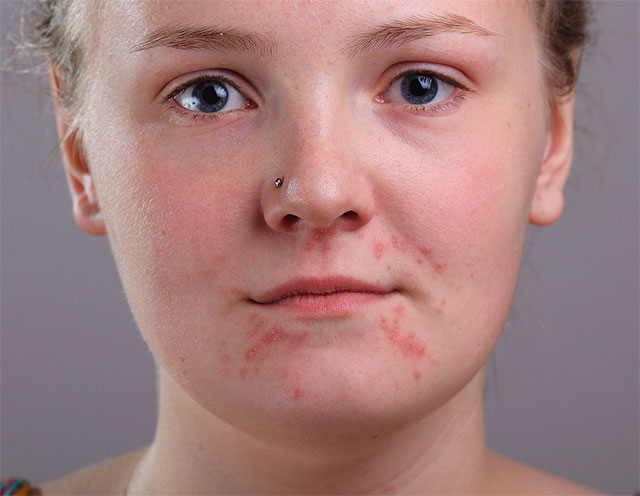
TRY THESE 7 NATURAL HOME REMEDIES FOR EFFECTIVE ACNE SCAR REMOVAL

So, you had acne when
you were younger or just recovered from a bout of mature acne. The bumps are
gone, but the purplish scars still linger. How can you reduce or get rid of
them? The 7 tips for reducing acne
scars have to do with basic skin care to manage outbreaks.
For many acne sufferers, the prospect of living blemish-free
can easily lead to a medicine cabinet full of chemical creams and oral
medications. While these treatments may offer instant and great results, they
also tend to carry a long list of side-effects. For those who desire a safe
alternative to get rid of the scars left behind from pimples and acne, try some
of these clever natural solutions.

Acne scars are the worst. I think we can all agree on that.
Here are seven remedies that you probably have right now at home that can help
eliminate your dark spots and acne scars fast.
1.COCONUT OIL

Coconut
oil is at the top of the list when it comes to natural moisturizers
with healing properties. Scoop about a quarter of a teaspoon of organic virgin
coconut oil (this is the best brand available to buy) into the palm of
your hand and let it melt as it comes up to body temperature. With your
fingertips, massage oil directly onto scarred skin and let it soak in. There is
no need to wash coconut oil away as the vitamins and essential fatty acids will
continue to work and improve skin health as long as you wear it. However, if
the oil is too heavy for your comfort, leave it on for at least thirty minutes
before removing with an all-natural cleanser.
Our favorite way to use coconut oil? Dab some under your
eyes, on your lips, and bare brows in the morning to keep your face looking
naturally fresh.
A word of caution for dewy beauties: use coconut oil only on
the area you want to treat. Too much coconut oil might just cause a breakout
here and there if you don't control your usage.
2.Aloe Vera

Scars heal when there are moisturizing and soothing properties
present in your treatment. Aloe vera contains these two… and then some. The
antioxidants in aloe vera reduce swelling and redness, while its natural
astringent removes excess oil and dead cells.
Aloe vera is also
great for sunburns (Miami girls know this) and can even be ingested if diluted
properly.
The great thing about aloe is that it doesn't really need
measurements. If you can find the plant, even better! Just scrape it off the
leaf and lather the scar and cover it with some plastic wrap. It might feel
weird and sticky but your skin will thank you.
3.TURMERIC POWDER

Turmeric is great for acne scars specifically because it
contains curcumin, a compound with antioxidant and anti-inflammatory properties
that reduce excess production of melanin, which adds pigmentation to your scar
and makes it darker.
This treats discoloration and helps skin glow. It’s also
antiseptic so it smooths your skin without irritation.
Use it with some of that honey we mentioned earlier! Just
add equal parts honey and turmeric (1 tsp each) and keep it on for about 20
minutes to allow the paste to exfoliate and remove dead skin cells. Rinse
thoroughly with cool water.
4.Baking Soda

Baking soda is a common household item with literally
hundreds of uses, including the ability to help heal scars. Baking soda is
composed of sodium bicarbonate crystals which gently exfoliate skin when used
as a cleansing scrub. Just mix a few teaspoons of baking soda with enough water
to form a thick paste then massage into skin where scars are present. Once
applied, you should leave the mixture on for a minute or two. This will allow
the soda to cleanse pores and help prevent further blemishes. After a couple of
minutes, wash your face in lukewarm water and apply a good natural moisturizer
like rose hip seed, coconut, or olive oil.
Do this about once every other day for great results!
5.Lemon

Lemon juice is a natural alpha-hydroxy acid (AHA) that can
be used to fade scars, promote healing, and revitalize skin. Simply squeeze the
juice from one organic lemon into a small bowl. You can use this treatment
undiluted or mixed with water if you have sensitive skin. Dab juice over scars
with a cotton ball and let it dry completely. Then rinse your face with cool
water and follow up with a natural moisturizer. Repeat this treatment once
every two or three days.
Remember that lemon juice will make skin more sensitive to
UV radiation, so it’s best to avoid direct sunlight for a while after using
this treatment.
6.SHEA BUTTER

We all know shea butter helps
women prevent or eliminate stretch marks, so why wouldn’t it work on scars?
Apply it daily to feel its moisturizing effects brightening
your skin.
If you can find unfiltered raw shea butter, use that instead
of any refined version. Refined usually means any nutrients have been broken
down or destroyed.
Store-bought brands usually irritate because they have added
fragrance and other additives.
7.HONEY

Another natural moisturizer which can help heal scars is
honey. It is best to use raw honey, not the processed kind found on the shelves
of most chain grocery stores. To obtain the best quality, try your local
farmer’s market or this is a good option . Once you’ve
gotten the good stuff, simply massage a small amount of honey over your scars
and let this wonder of nature work its magic. You can also mix about a teaspoon
of ground cinnamon per two tablespoons of honey for added pore-cleansing power.
Use this treatment as often and for as long as you like.